Build clothing around the conditions
The CDC's winter-weather guidance recommends layers and staying dry. An inner layer, insulating layer and weather-resistant outer layer do different jobs. Keep hands, feet and head appropriately covered.
Check the forecast and the length of the outing. Bring dry replacements where getting wet is likely and avoid letting sweat soak the layers you depend on. During extreme cold, limit time outside and follow local advice.
Lay out clothing before the day you need it. Check fasteners, fit and whether the pieces work together when you move.
Prepare the home before adding devices
Arrange maintenance for the heating system according to its instructions and identify faults early. Check that vents and exits remain clear. Keep the contact details for your heating provider or building manager where you can find them.
Review smoke and carbon-monoxide alarms and follow their testing and replacement instructions. The CPSC's winter heating guidance covers alarms, professional inspection of fuel-burning systems and common equipment hazards.
Decide which room or nearby place you could use if heating fails. A plan made in advance is easier to follow than an improvised response in a cold house.
Use portable heaters with clear space
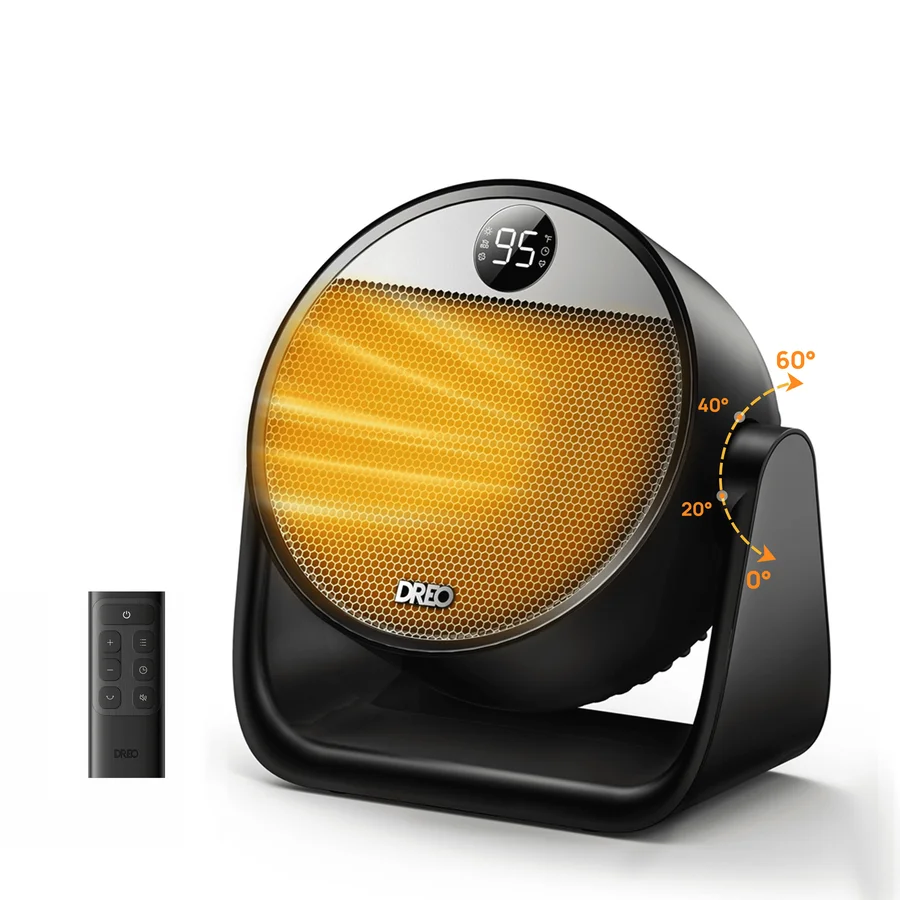
Keep a portable heater at least three feet from bedding, curtains, furniture and other combustible material. Plug an electric space heater directly into a suitable wall outlet, never an extension cord or power strip. Turn it off when sleeping and follow the manufacturer's instructions.
Place the heater where it cannot be easily knocked over or obstructed. Keep children and pets away and do not use it to dry clothes.
Our space-heater comparison helps examine the listed models, but choosing a model does not remove these placement and use requirements.
Treat heated clothing as an optional addition
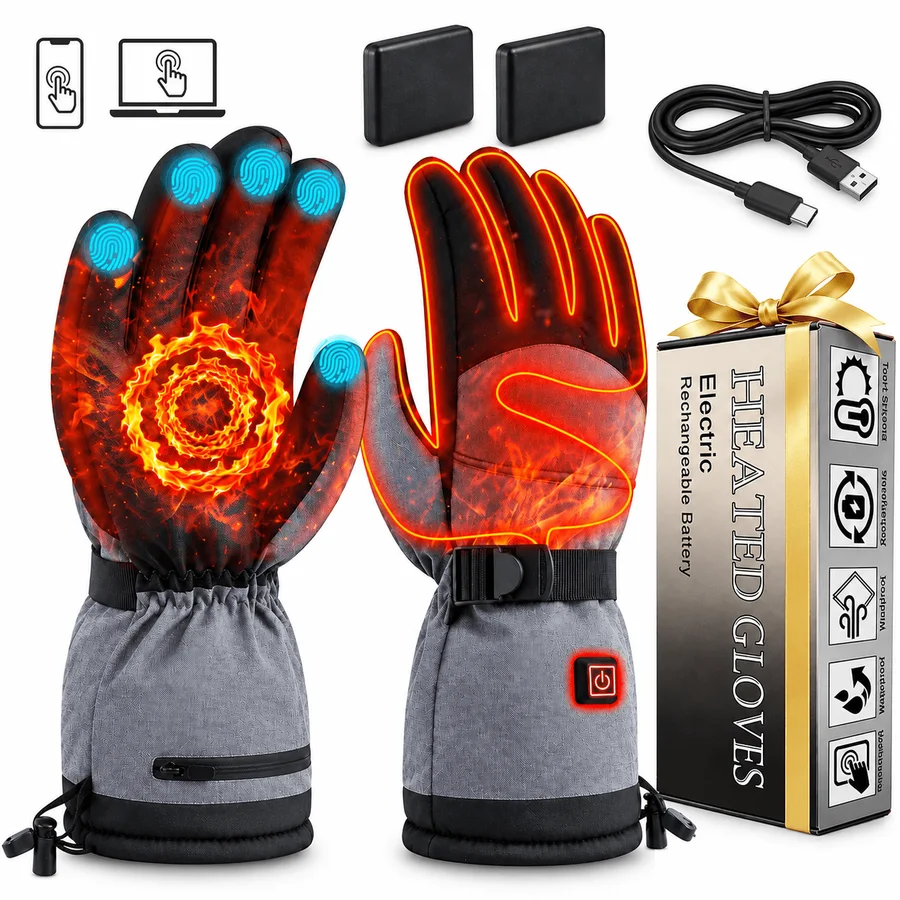
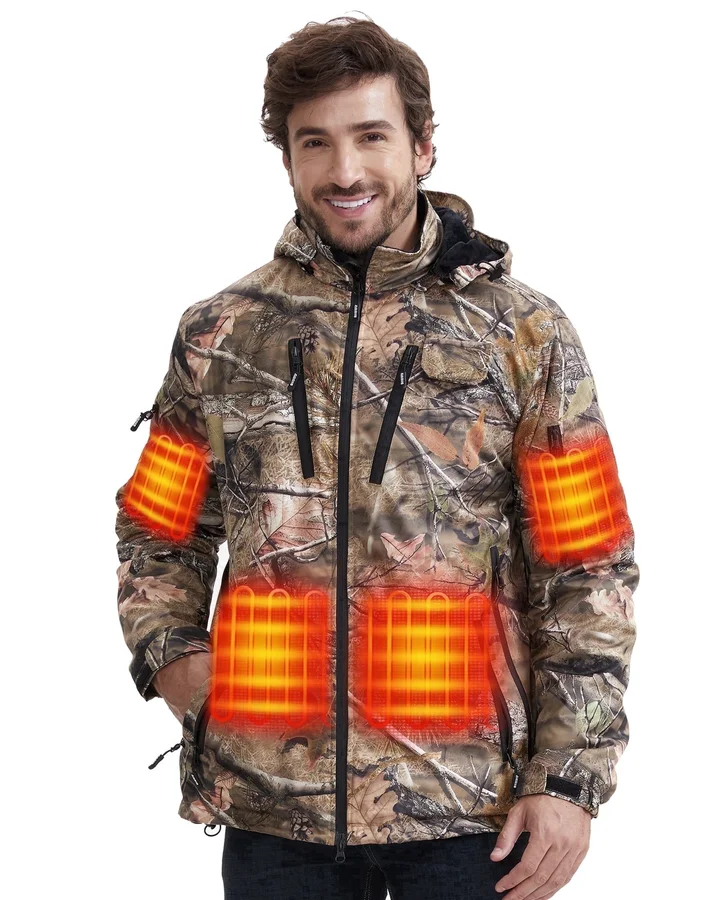
If you consider a heated garment, check its fit, battery compatibility, care instructions and stated restrictions. Use only the power equipment specified for that product. Do not assume an advertised runtime will apply to every setting or condition.
Our heated-jacket guide and glove comparison describe featured options and their limitations. Plan for warmth if the battery runs out rather than relying on powered heat alone.
Follow any restrictions concerning reduced heat sensitivity or other personal circumstances. Ask an appropriate clinician when a health condition makes safe use uncertain.
Have a plan for a power outage
Keep charged lights, essential contact details and an agreed warm destination available. Never run a generator inside a home, basement, shed or garage. CPSC advises outdoor use at least 20 feet from the home, with exhaust directed away from nearby buildings.
Follow local emergency information and check on people who may need help, with their agreement. If someone develops confusion, unusual drowsiness or other signs of hypothermia, seek urgent medical help. Extra shopping is not a substitute for getting to safety.
Check equipment before cold weather
Put heating maintenance, alarm tests and replacement batteries on the calendar before the first very cold week. Read the instructions for each device you own; an alarm's test button and replacement schedule depend on the model. Keep air vents clear and notice changes such as unusual noise or a persistent fault message. If equipment needs repair, contact a qualified professional rather than improvising a fix on a fuel-burning system. Record where the shutoff controls and service details are. This preparation is useful even when you later choose a smart thermostat or another convenience device.
Choose a safe place for extra warmth
A portable heater is only suitable in a space where it can stand securely and keep the manufacturer's required clearance. Look at the actual room, including curtains, bedding, cables, door swings and the route people take through it. A small room can make the clearance difficult to maintain. Check the product's instructions, electrical rating and condition before use. Do not cover it or run a cable under a rug. When the room is empty or people are sleeping, turn the heater off. If these conditions cannot be met, choose another way to stay warm.
Dress for the journey as well as the destination
A warm indoor destination does not remove the need to plan the walk, wait or drive to get there. Check the forecast at the time you will travel and carry suitable outer layers. Keep spare dry socks or gloves where a wet outing is possible. In a vehicle, allow for delays and follow local travel warnings rather than assuming that heating will always be available. Make sure clothing does not interfere with safe driving or movement. If you are traveling with children or someone who needs assistance, account for their clothing and time outside, not only your own comfort.
Plan for outages without dangerous shortcuts
Know which local service or building contact reports a heating or electricity outage. Keep a charged light, phone power plan and essential medication or equipment arrangements appropriate to your household. Identify a warm place you can reach if the home becomes unsafe to stay in. Never bring outdoor cooking or fuel-burning equipment inside to heat a room. Carbon monoxide cannot be judged by smell. Follow the CPSC and local emergency authority guidance for generators and heating appliances. If an outage affects medical equipment or urgent care needs, contact the relevant provider or emergency service promptly.
Use smart controls as a convenience
A connected thermostat or sensor can help you see settings and schedules, but it depends on correct installation and may depend on network or power availability. Learn how to use the heating system manually before relying on an app. Set a schedule that fits the people in the home and check that remote changes do not leave someone else uncomfortable. If you install a smart device, follow the manufacturer and heating-system compatibility instructions. Do not treat a temperature notification as a substitute for checking a malfunctioning appliance or a vulnerable person's wellbeing.
Look after people without assuming
Cold weather can affect neighbors, relatives and friends differently. Ask what help would be useful and agree on a way to check in. Someone may need a lift, help contacting a landlord or a safe place during an outage rather than another device. Respect their preference and privacy when arranging support. For your household, make sure everyone knows where to find lights, warm clothing and contact numbers. A written plan is easier to follow when a phone has little charge. If someone appears seriously unwell, seek medical help through local emergency services.
Review what worked after the cold spell
When conditions improve, note where the plan failed. Perhaps the gloves got wet, an alarm needed a battery, a heater could not be positioned safely or the outage contact was hard to find. Replace consumables and arrange repairs before the next period of cold weather. If you bought a heating gadget, keep its instructions and check whether it was actually useful. Return or recycle unsuitable equipment according to local rules. Small improvements to clothing, maintenance and your backup plan often make a bigger difference than adding another device to a drawer.
This article draws on the linked primary sources and practical explanations. It does not report hands-on testing or a personalized assessment.