Start with the clubs behind the machines
The Computer History Museum describes the Homebrew Computer Club as a meeting place where hobbyists exchanged ideas and showed their projects. Steve Wozniak demonstrated an Apple-1 prototype there in 1976.
The useful lesson is the setting: people had somewhere to show unfinished work, ask questions and encounter different approaches. The museum's account also describes a newsletter that helped ideas move beyond a single meeting.
That example is one part of computing history. It does not establish that every important technology came from a garage or that one kind of person deserves all the credit.
Distinguish curiosity from collecting equipment
Buying a device and understanding it are different activities. You can learn a surprising amount by investigating something you already own: how a camera exposes an image, how a network connects two devices or how a program organizes information.
Choose a question small enough to answer. For example, compare photographs of the same subject with one setting changed at a time. Our camera explainer gives you terms to describe what changes.
Write down the question, the setting and what you observed. A modest result you can explain is more useful than an elaborate project whose behavior remains a mystery.
Make room for beginners
A welcoming technical conversation starts by asking what someone wants to do. Explain unfamiliar terms and avoid treating a basic question as an entrance exam.
When helping with a problem, ask permission before changing someone else's device. Describe the change and show how to undo it. Let the owner perform the step where possible so the explanation becomes useful after you leave.
Share the limits of your knowledge. Saying that a result needs checking creates a better learning environment than confidently filling a gap with a guess.
Pick a project with a visible finish
Try a small task such as designing a simple storage label, organizing photographs or making a basic program that sorts a list. Decide what completion means before adding features.
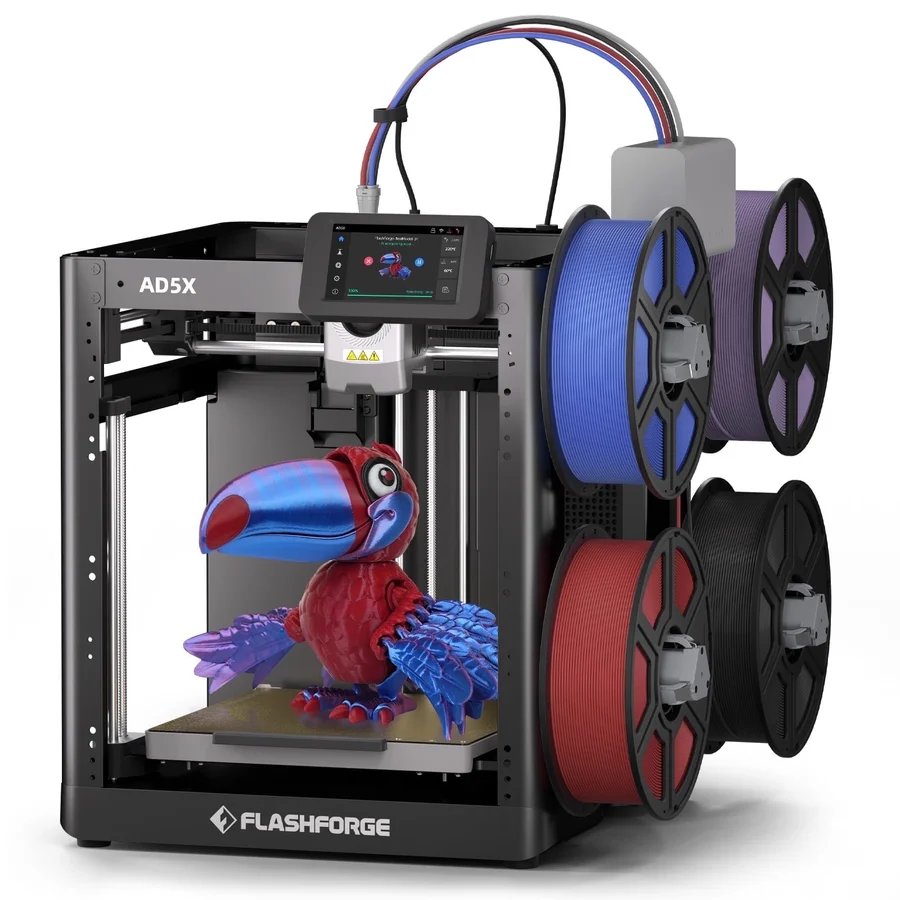
If a 3D-printing project appeals, our printer comparison helps you understand the equipment options. Consider access through a local workshop or library before buying a machine for one experiment.
Use the instructions for any tools involved and stay within the work you can safely perform. Curiosity is compatible with asking an experienced person for help.
Leave useful notes for the next person
Record the exact model or software version, the steps that worked and the problems you could not resolve. Remove personal information before sharing screenshots or files.
Give credit to the people and documentation that helped you. Invite corrections and update the notes when something changes. The lasting value of a technical interest often comes from making the next person's starting point a little easier.
Look beyond the familiar origin story
The history of personal computing includes clubs, universities, companies, public research and many people whose names are less familiar than a company's founders. A single garage story can be memorable without explaining all the work that made a technology possible. When reading an account, check who built the hardware, wrote the software, documented the work and helped others use it. Museums and archives can show original objects and documents alongside the later retellings. That wider view makes the subject more interesting. It also gives newcomers more than one kind of role to imagine for themselves.
Find a community that shares the work
A local library, workshop, club or online project can provide a place to ask a question and show what you are learning. Look for clear rules, approachable moderators and examples of people giving constructive answers. A group that makes room for beginners can be more useful than one with the most advanced equipment. Introduce a small problem you are trying to solve and describe what you have already attempted. If someone shares a solution, test it and report what happened. That feedback helps the next person who encounters the same problem.
Learn from an object you own
Choose a device that can be explored without opening a hazardous enclosure or bypassing security protections. Start with its manual, settings and supported features. For a camera, learn how changing one setting affects an image. For a laptop, identify which maintenance tasks the manufacturer supports and which require professional service. Keep a record of the original settings before experimenting. If the device contains someone else's data, ask before touching it. The aim is to understand a real system through safe, reversible steps, not to prove that you can take it apart.
Separate observation from assumption
Technical curiosity works best when a claim can be checked. Write down what you observed, what you changed and what result you expected. Repeat the test under the same conditions when possible. A device feeling faster after one change is a useful impression, but it is not automatically a measured improvement. If you publish a tip, name the model and software version so others can judge whether it applies to them. Link to the relevant documentation. Admit when a result is uncertain. That habit makes shared knowledge more reliable and keeps an enthusiastic community from spreading guesses as instructions.
Make projects small enough to finish
An appealing idea can grow until it is impossible to complete. Pick one outcome, such as making a simple web page, sorting a personal photo folder or printing a label for a drawer. Decide what the first working version needs, then leave optional additions for later. Keep a copy of the original files before editing. For a shared project, agree on who can change what and how decisions will be recorded. Finishing something modest creates a useful example to discuss with others. An unfinished ambitious project can still teach you, but a clear stopping point helps you see the lesson.
Share credit and access
When you use an open guide, design, code sample or tutorial, check its terms and acknowledge the creator. Describe the parts you changed so another learner can follow your reasoning. If you host an event, consider how someone without the same budget, equipment or previous experience can participate. A demonstration and a chance to ask questions can be as valuable as hands-on access to a new device. Explain acronyms when they first appear and make room for people to contribute in different ways. A community becomes stronger when useful knowledge is easier to enter and reuse.
Keep curiosity connected to daily life
A hobby does not have to become a career or a product collection to be worthwhile. Understanding a router can make a home network easier to manage. Learning the basics of image files can help preserve family photographs. Knowing how a battery is specified can improve a purchase decision. Choose questions from situations you already encounter, then learn enough to act with confidence and recognize when expert help is needed. Return to an old question after gaining new knowledge. The rise of technical hobbies is most valuable when people can explore, explain and help one another without needing an identity label.
This article draws on the linked primary sources and practical explanations. It does not report hands-on testing or a personalized assessment.