Cells are the starting point
The Department of Energy's photovoltaic overview explains how semiconductor cells convert sunlight into electricity. Cells are connected into modules, commonly called panels, and panels can be combined into larger arrays.
The panel's protective layers and frame help the cells operate outdoors. The useful electrical output depends on the light reaching those cells and the conditions in which the equipment operates.
Solar photovoltaic equipment is different from a solar thermal system that collects heat. When comparing products, establish whether the advertised device supplies electricity, heats water or performs another task.
The panel is one part of the circuit
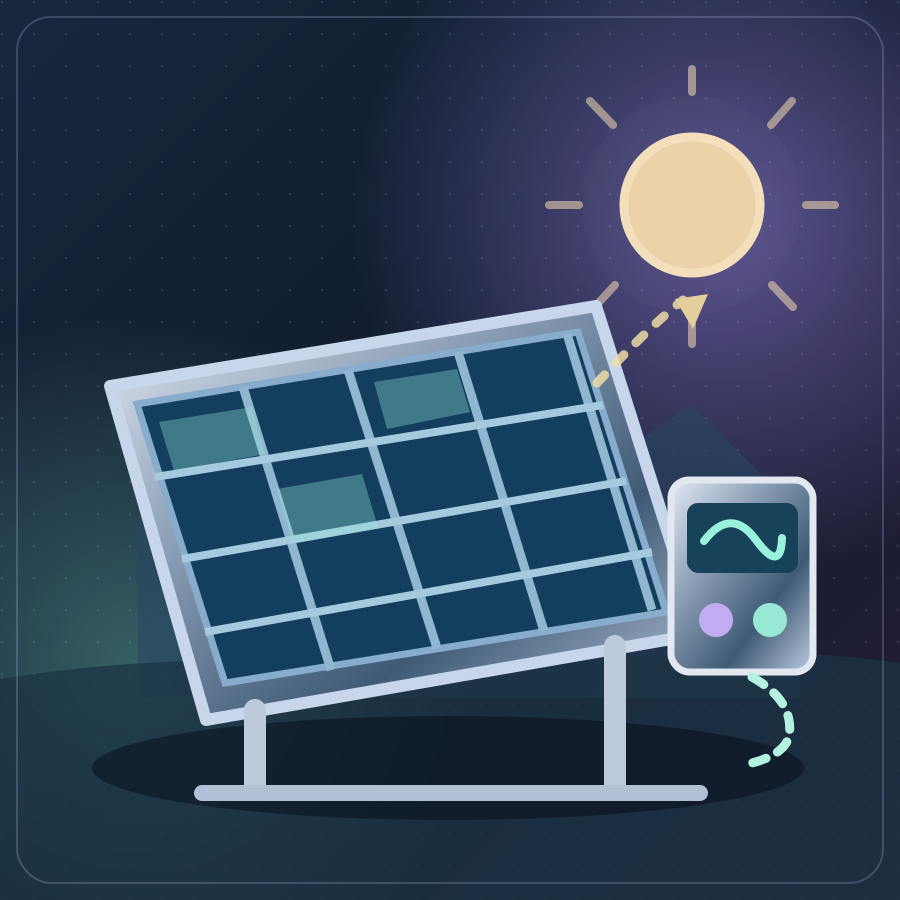
A panel produces DC electricity. The DOE's system-design guide describes the additional role of mounting equipment, inverters and storage. An inverter converts DC to AC for compatible household or grid-connected use.
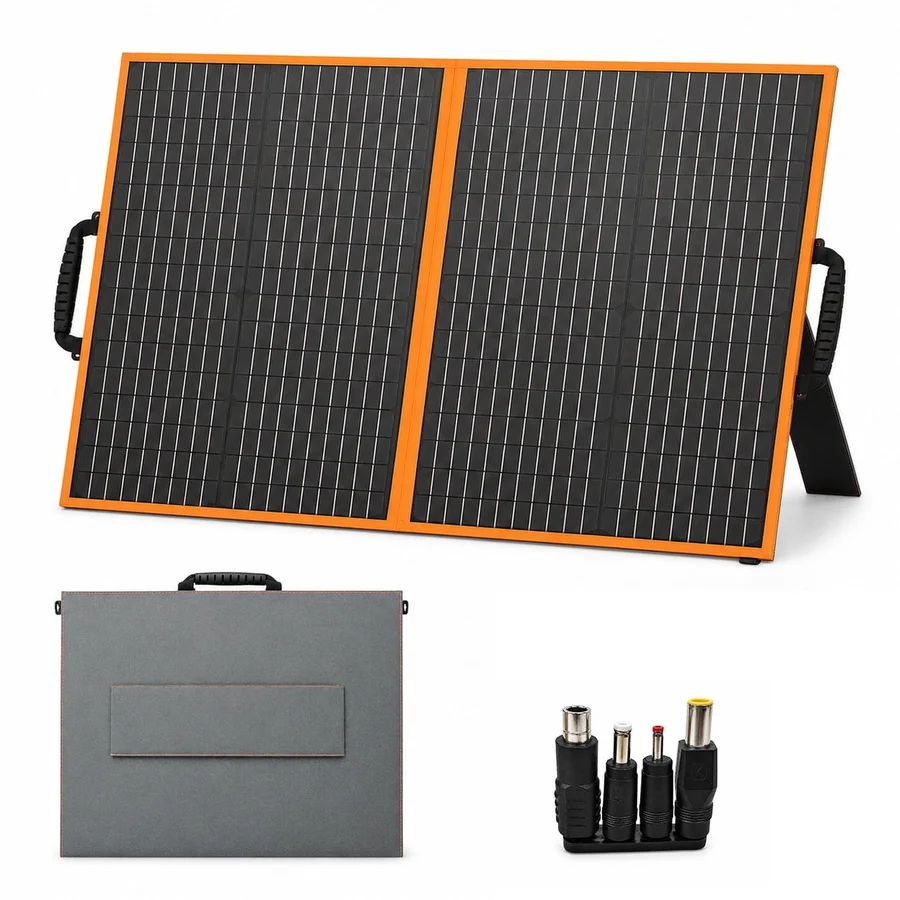
A portable charging arrangement may use a different path, with a controller and regulated outputs matched to the connected equipment. Do not assume that two devices are compatible because their connectors fit.
- Check the permitted input voltage and current.
- Match the connector type and polarity.
- Confirm whether a controller or adapter is required.
- Follow the installation and operating instructions for both devices.
Rated watts are not continuous production
A watt rating describes power under specified test conditions. Actual production changes with sunlight, shade, orientation and operating conditions. A panel does not deliver its nameplate output every hour of the day.
Separate power from energy when planning a task. Watts describe a rate. Watt-hours describe energy over time. For a simple arithmetic example, an actual steady output of 50 watts for two hours would provide 100 watt-hours before downstream losses. This is an illustration, not a prediction for a particular panel.
Use expected local conditions and the complete system's specifications when estimating useful energy. Our solar panel comparison helps identify the featured options before those compatibility checks.
Storage changes when energy can be used
A battery can store energy for later use, but it does not create additional energy. Charging, conversion and discharge introduce losses, and the battery must be compatible with its controller and load.
Decide whether the task requires power while sunlight is available or at a different time. Charging a small device during a trip is a different requirement from supplying household backup power.
Do not assume that rooftop panels automatically keep a home powered during a grid outage. Ask the system provider which equipment and operating mode provide that capability.
Compare the complete arrangement
Sunlight has no fuel purchase price, but panels, electronics, installation and maintenance still have costs. Compare the useful output and total equipment required for your task.
For a small outdoor setup, start with the device's energy requirement and work backward through the approved charging equipment. For a fixed installation, use a qualified provider to assess the site and system. A panel's headline wattage alone cannot establish suitability.
Trace electricity from cell to socket
A photovoltaic cell absorbs part of the sunlight reaching it and produces direct-current electricity. Many cells are wired into a module, and modules form an array. The Department of Energy’s cell explanation describes the semiconductor and metal contacts involved. In a grid-connected home system, an inverter converts the direct current into alternating current suited to the building and grid. Other equipment disconnects, monitors or protects the system. This chain matters when troubleshooting: a panel with sunlight is not itself a complete, safe household power source. Each component needs compatible ratings and an installation appropriate to its location.
Understand what the nameplate wattage means
A module’s rated watts describe output under a defined laboratory test, not a guaranteed hour-by-hour result on a roof. The useful output changes with sunlight intensity, module temperature, shading, orientation and equipment losses. The Department of Energy’s performance guide discusses efficiency and temperature. A 400-watt nameplate does not mean four hours of daylight always delivers 1.6 kilowatt-hours. That calculation is only a ceiling-like illustration before real conditions and losses. Compare proposals using the same assumptions and ask for a site-specific annual energy estimate with its modeling method clearly stated.
Account for shade and orientation
Watch the proposed location across seasons, not only on a clear afternoon. A roof vent, chimney, neighboring tree or taller building can shade a portion of the array. Placement and electrical design determine how much one shaded module affects the rest. The Department of Energy’s system-design overview explains that module arrangements and microinverters can influence this behavior. Ask an installer to show the shade assumptions and the locations of modules, inverter and other equipment on a drawing. A portable panel needs its own practical placement plan, including cable length and safe weather exposure.
Separate energy production from storage
A solar panel produces electricity when conditions allow; it does not store energy for later by itself. A battery can store some energy when paired with suitable controls, but capacity, charging limits and usable output all matter. The Department of Energy’s design guide describes batteries as an additional system component. Grid-connected solar without an approved backup design may shut down during a utility outage to protect workers and equipment. Never assume a roof array keeps ordinary outlets powered when the grid fails. Ask the installer exactly which circuits, if any, the proposed backup arrangement supports and for how long under a stated load.
Read an estimate in kilowatt-hours
Power is measured in watts or kilowatts; energy over time is measured in kilowatt-hours. A production estimate should therefore describe expected energy over a month or year, not just the module count. Compare that estimate with your own electricity use by season. Daytime generation may not line up with evening demand, and the financial value of exported electricity depends on the local utility arrangement. Review the proposal’s assumptions for shade, system losses, degradation and future roof work. If an estimate looks unusually precise, ask what uncertainty remains. The answer will be more useful than a promise based solely on a panel’s advertised peak wattage.
Choose the right kind of installation
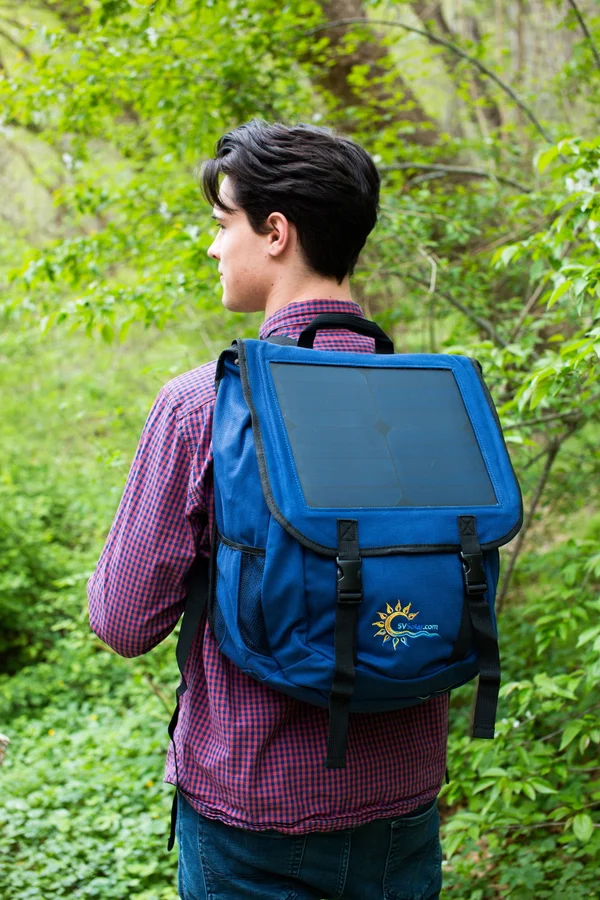
A small portable panel used with a power station, a rooftop grid-connected array and a solar water-heating system are different purchases. Confirm the output type, connector, permitted voltage and current, weather rating and the loads the product can support. For a roof, obtain a site survey and verify structural, electrical, permit and utility requirements before treating a price quote as complete. The Department of Energy’s homeowner guide provides questions for evaluating a residential project. Keep warranties for panels, inverter, workmanship and roof penetrations separate in your notes; they may be provided by different parties.
Maintain realistic expectations after installation
Monitor actual generation against the system’s own estimate and account for weather before concluding something has failed. Clean or inspect panels only using the installer’s safe procedure; a roof is a fall hazard and electrical parts remain energized in daylight. Keep trees and new roof obstructions in mind when output changes. Save the system diagram, serial numbers, permits and warranty contacts for future service. If a monitor reports a fault, follow the maker’s instructions and use a qualified professional for electrical work. Solar is a set of connected components whose performance depends on the site and upkeep, not a single panel specification.
This article draws on the linked primary sources and practical explanations. It does not report hands-on testing or a personalized assessment.