Plan the next stage, not an endless countdown
A young passenger may find a specific milestone easier to understand than several hours remaining. Describe the next stop, the next change of activity or something to look for outside. Keep the explanation simple and avoid promising an arrival time that traffic may undo.
Before leaving, let each child choose a couple of suitable activities. Keep one in reserve rather than handing over every option at once. The aim is to make changing activities easy, not to stage a surprise every ten minutes.
Pack a small bag for things needed during the journey and a separate one for the destination. That reduces the chance of unpacking half the trunk to find a particular book.
Build breaks into the route
The American Academy of Pediatrics recommends planning a break about every two hours in its family travel guidance. Use that as a planning prompt, with more stops when needed for the child, driver or conditions.
Choose stopping places before the journey so a break does not become a last-minute search. Leave enough flexibility for delays. A schedule that only works when nobody needs a restroom is not much of a schedule.
Keep children in the correct restraint while the vehicle is moving. Never leave a child alone in a parked car. For an infant or a child with particular travel needs, follow appropriate individual advice rather than adapting an older child's routine.
Rotate activities without adding clutter
Use a small selection with different demands: listening, looking out of the window and a suitable hands-on activity. Soft, lightweight items are easier to manage than a collection of hard pieces. Avoid activities that require the driver to retrieve dropped objects.
- Try a shared story or familiar music for a listening stretch.
- Choose a simple spotting game using things visible along the route.
- Let an older child follow the next stage on a printed itinerary while an adult handles navigation.
- Save a familiar quiet activity for the final stretch when novelty has worn off.
These are planning ideas, not guarantees that every child will enjoy the same routine. If something is making the journey harder, change it at a suitable stop.
Set up screens before departure
Download permitted content, open the relevant app and test playback without a connection. Some downloads expire or require an account check. Confirm enough storage and charge before everyone is already strapped in.
Set any device up so it does not interfere with restraints, airbags or the driver's view. Secure it using an appropriate arrangement and follow the vehicle and accessory instructions. The driver should not troubleshoot an app while moving.
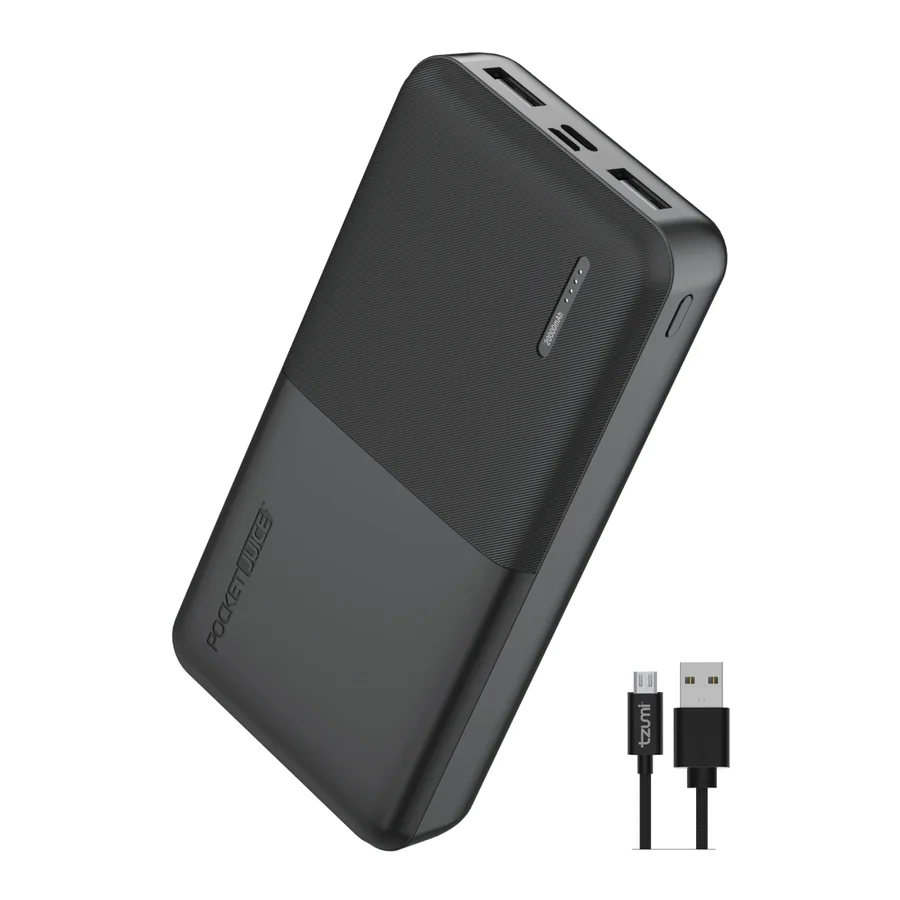
Our power-bank guide can help compare charging formats if you need portable power. Check cable compatibility first. An older child who already uses suitable earbuds may also benefit from checking the fit and controls in our earbud comparison; those products are not presented as child-specific recommendations.
Make the plan work for the adults too
If another adult is traveling, agree who handles navigation and who helps passengers. Keep wipes, a change of clothes and other essentials where they can be reached at a stop. Plan food and drink breaks around the child's needs rather than using snacks as the only activity.
For trains or flights, adapt the activity bag to the available space and check the operator's rules before packing devices or batteries. A car-trip setup does not automatically transfer to another form of transport.
Before the return journey, replace anything used up and download the next story. Leave one familiar favorite easy to find. That small reset is often more useful than buying another gadget.
Make a simple journey rhythm
Divide the route into understandable stages: leaving, the first stop, a meal, a quiet period and arrival. Tell a child what comes next rather than repeating an uncertain arrival time. Keep one familiar activity easily reachable and another in reserve. A song, window game or short story can bridge a delay without opening a bag of toys. The American Academy of Pediatrics’ road-trip play ideas encourage conversation, simple games and room for daydreaming. A varied rhythm can work better than trying to fill every minute with a screen or a new purchase.
Put safety and comfort first
Use the child restraint or seat belt appropriate to the child and vehicle, fitted according to its instructions. The CDC travel guidance emphasizes proper restraints for children in cars. Keep essentials such as water, wipes and a change of clothes accessible without letting loose items obstruct the driver. Choose toys that are suitable for the child’s age and can be handled safely while seated. Avoid passing food or objects to a child if doing so distracts the driver. Plan a safe stopping place when hands-on help is needed.
Use breaks as part of the plan
Build in time for bathroom visits, movement and a change of scene. The timing depends on the children, driver and conditions; a schedule that works for a sleeping toddler may not fit a restless school-age child. Identify potential stops before the trip, then adjust when traffic or weather changes. Use a break to refill water, check comfort and explain the next stage. For a baby in a car seat, follow the seat maker’s and pediatrician’s advice about travel and time in the seat. Do not treat a planned break as a reason to push through distress or fatigue when an earlier safe stop is available.
Offer activities with different energy levels
A window-spotting challenge, story chain or singalong can be lively. Drawing on a stable surface, an audiobook or a familiar book can be quieter. Let children help choose from a short menu, then switch when attention fades. The AAP’s play suggestions include games that use observation and imagination rather than special gear. Keep the plan flexible; a child may need quiet after a busy stop instead of another challenge. If a particular activity causes motion discomfort, put it away and choose looking outward or listening instead.
Prepare digital content before departure
A tablet or phone can be useful on a long trip. The AAP’s travel advice recognizes films and games as part of a practical toolkit, including for car or train trips. Download a small set of age-appropriate content while connected, test playback offline and bring approved charging equipment. Set volume and purchase controls in advance. Agree on a natural stopping point for the screen session. The device should be one available activity, so a flat battery or poor signal does not turn into a crisis.
Pack for the destination as well as the ride
Keep a separate small bag for journey items and a larger one for arrival. Put the first-night essentials where they can be reached without unloading everything. For travel across borders, check documents, medications and local requirements well before departure. The CDC’s child-travel page advises planning health and safety needs for the destination. A familiar snack or comfort item can help a child settle in an unfamiliar place. Keep perishable food within safe storage conditions and follow any allergy plan. A smooth arrival often matters as much as the entertainment during the drive.
Expect the plan to change
Traffic, weather, illness and tiredness can undo a carefully timed schedule. Tell children when the next realistic milestone changes, then offer a simple choice they can control, such as which audiobook to hear. If the driver is tired, stop safely; keeping a child entertained is never a reason to continue unsafely. After the trip, note which activities actually worked and which caused frustration. That record makes the next journey easier to plan without buying a new kit each time. The goal is a comfortable, safe sequence of manageable stages, with space for rest and ordinary conversation.
This article draws on the linked primary sources and practical explanations. It does not report hands-on testing or a personalized assessment.